
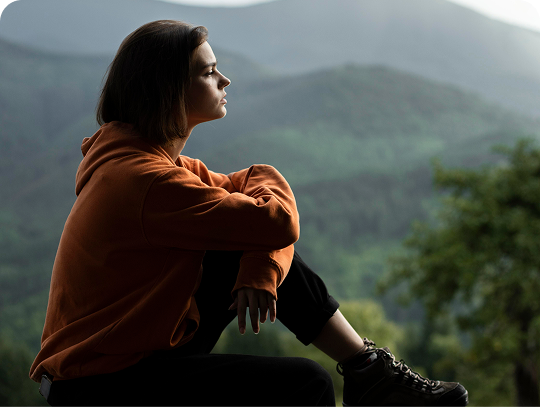
We live in a culture that rewards speed. Faster replies. Faster results. Faster growth. Our days are filled with notifications, deadlines and endless scrolling. Even rest can feel productive — tracked, optimised and measured.
But our nervous systems were not designed for constant acceleration.
The human body operates through two primary modes: activation and restoration. The sympathetic nervous system, often called “fight or flight,” helps us respond to challenge. It increases heart rate, sharpens focus and mobilises energy. This state is useful when we need to act quickly.
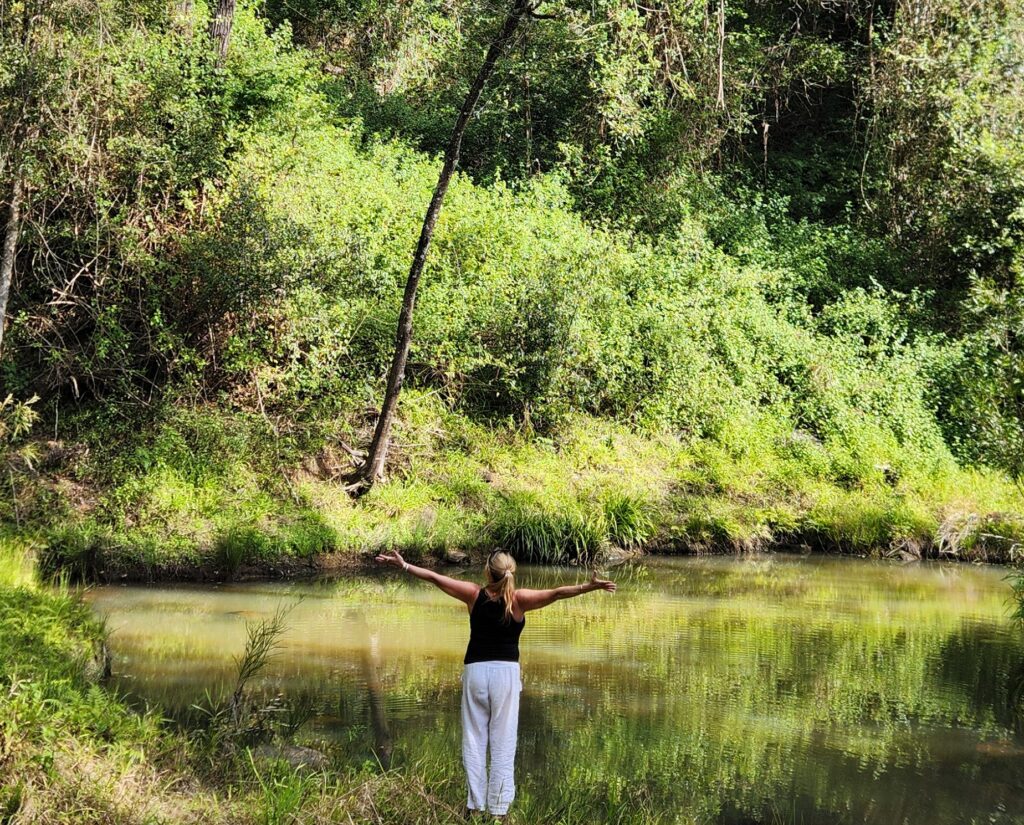
Slowing down is not laziness. It’s a regulation.
The parasympathetic nervous system, sometimes referred to as “rest and digest, ” does the opposite. It slows the heart rate, supports digestion, regulates hormones and allows the body to repair. This is where healing, integration and long-term health occur.
In a fast-paced world, many of us live predominantly in activation mode. Emails, traffic, news cycles and social comparison keep the body subtly braced. Even if we’re sitting still, our physiology can remain on alert. Over time, this chronic low-level stress can disrupt sleep, digestion, mood and immunity.
Slowing down is not laziness. It is regulation.
When we intentionally pause, through slow breathing, mindful walking, eating without distraction, or simply sitting in silence, we send a signal of safety to the nervous system. The vagus nerve, a key pathway in the parasympathetic system, becomes more active. Heart rate steadies. Muscles soften. Cortisol levels gradually reduce. The body shifts from survival toward restoration.
This doesn’t require a retreat or a complete lifestyle overhaul. It can begin with small daily rituals:
- Taking five slow breaths before opening your laptop.
- Eating one meal a day without your phone.
- Walking without headphones and noticing your surroundings.
- Going to bed ten minutes earlier and dimming the lights.
These simple acts create micro-moments of safety. And safety is what the nervous system needs most.
When we slow down, clarity improves. Creativity returns. We respond rather than react. We become less driven by urgency and more guided by intention.
In a world that moves quickly, choosing to move a little more slowly is a quiet act of self-leadership. It allows the body to do what it has always known how to do: regulate, restore and rebalance.
Speed may be celebrated culturally, but sustainability, in our bodies and in our lives, is built through rhythm.
And rhythm requires pause.
