

In a world of superfood trends, macro counting, detoxes and “before-and-after” photos, it’s easy to forget a simple truth: food is meant to nourish us, not measure our worth.
Somewhere along the way, eating became moralised. Foods are labelled “good” or “bad.” A green smoothie can feel like virtue; a slice of cake can feel like failure. We scroll past curated plates on social media and quietly wonder if we’re doing it wrong. But perfection is a moving target — and our bodies were never designed to thrive under constant judgment.
Nourishment is different.
Nourishment asks: What does my body need today?
Not: How can I control it?
When we shift from perfection to nourishment, food becomes less about rules and more about relationship. It becomes about listening. Some days nourishment looks like a vibrant salad full of leafy greens, seeds and roasted vegetables. Other days it looks like a warm bowl of pasta shared with family. Sometimes it’s a quick piece of toast between meetings. Sometimes it’s a slow, intentional meal eaten outside in the sunshine.
True nourishment includes:
- Physical fuel – carbohydrates for energy, protein for repair, fats for hormone health, fibre for digestion.
- Emotional comfort – meals that feel grounding, nostalgic or celebratory.
- Cultural connection – traditional foods that tie us to our heritage and community.
- Pleasure – because enjoyment is not optional; it is part of being human.
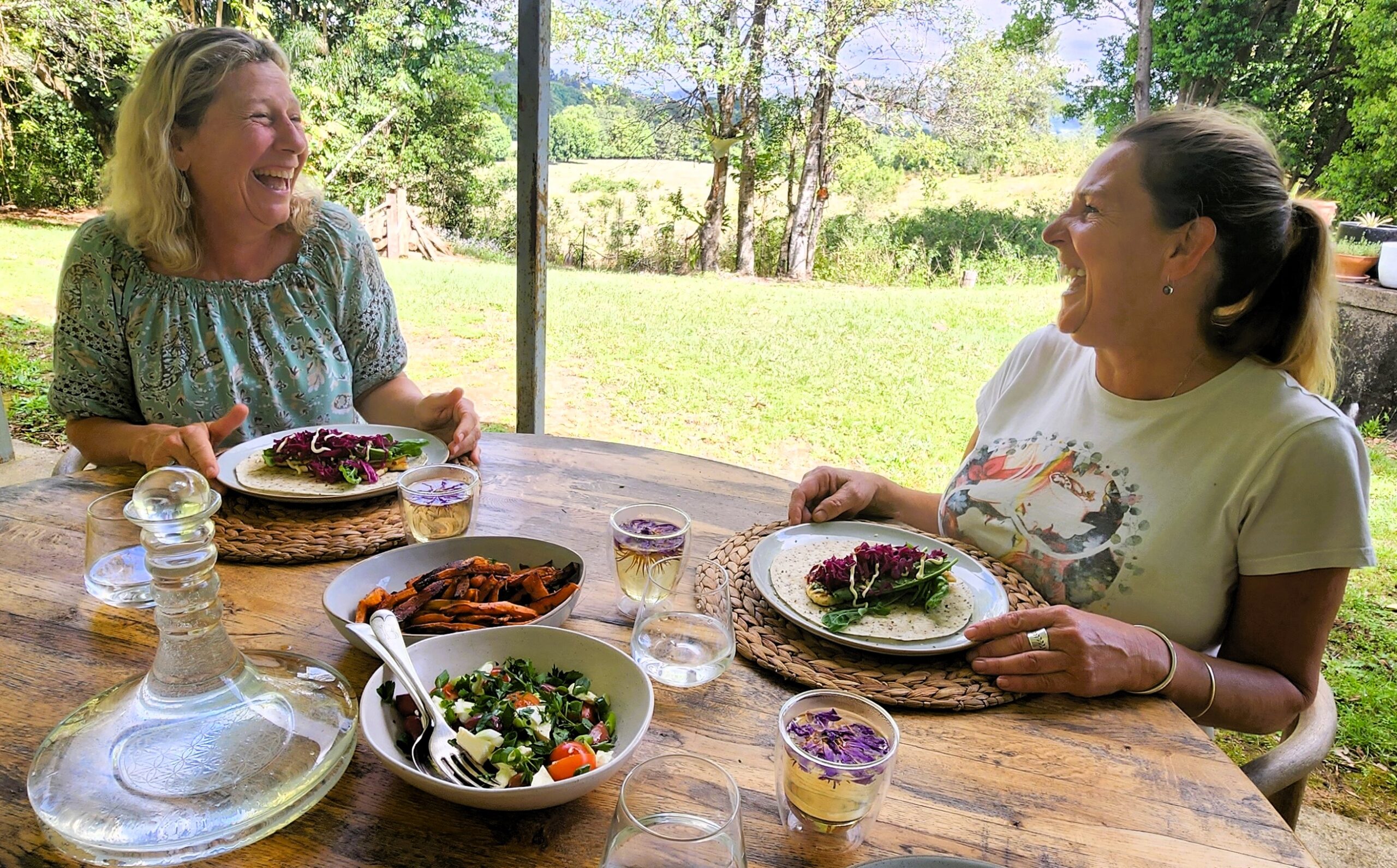
Perfectionism around food often disconnects us from our natural hunger and fullness cues. When we follow rigid rules, we override the body’s quiet wisdom. We eat according to numbers, trends or fear — not appetite. Over time, this can create stress, guilt and cycles of restriction and overindulgence.
Nourishment, on the other hand, builds trust. It invites us to slow down. To chew properly. To notice flavours. To ask if we’re satisfied. It encourages variety over rigidity and consistency over extremes. It allows room for flexibility — and flexibility is sustainable.
It’s also important to remember that nourishment is contextual. A busy parent, a manual labourer, an athlete, and someone recovering from illness all have different needs. There is no universal “perfect” plate. There is only the plate that supports your body and your life right now.
This doesn’t mean nutrition doesn’t matter. It does. Whole, minimally processed foods rich in nutrients form a strong foundation for health. But the goal is not flawless eating. The goal is resilience. A body that is well-fed most of the time can comfortably accommodate birthday cake, takeaway nights and holiday feasts without drama.
When we let go of perfection, we make space for gratitude. Gratitude for farmers, for soil, for rain, for the hands that prepare our meals. Gratitude for a body that works tirelessly for us every day. Gratitude for the simple privilege of access to food.
Food is not a test to pass. It is a relationship to tend.
Choose nourishment. Choose balance. Choose food that supports your energy, your mood, your connection and your joy.
Perfection was never the point.
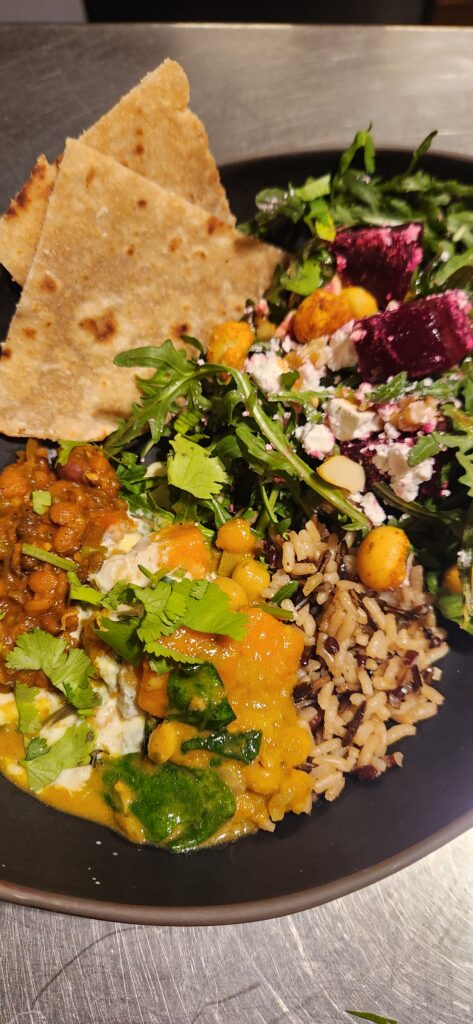
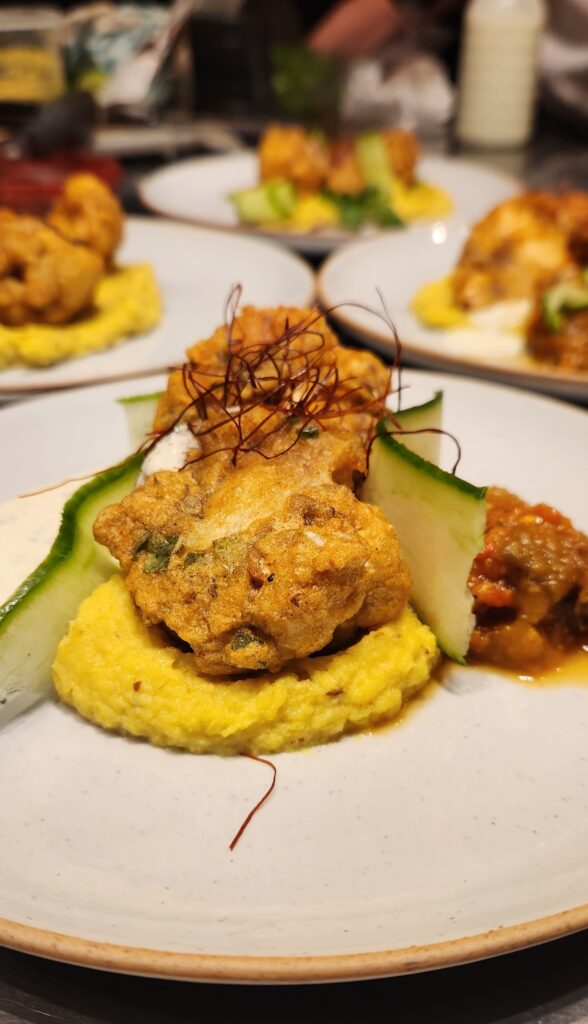
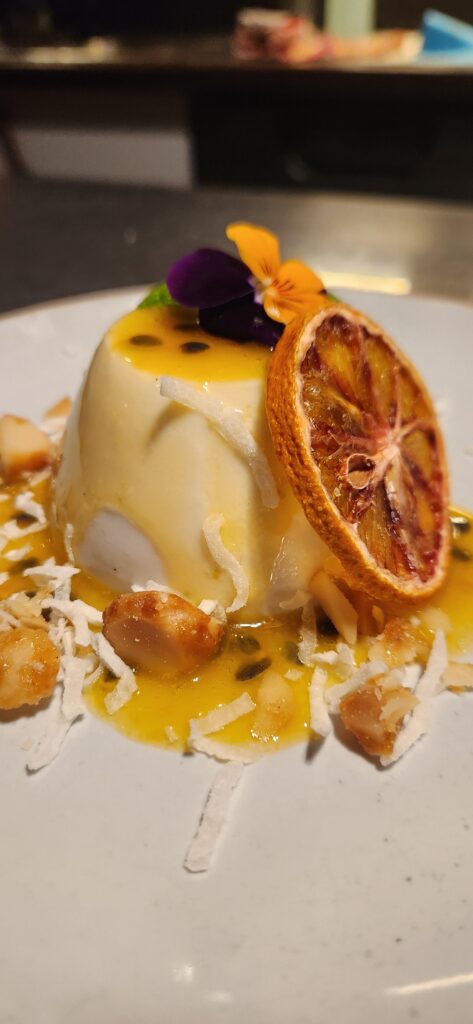
Meet Move Eat – The Long Exhale, includes a beautiful 2 course, chef prepared long table lunch; a central activity to slow down and connect as a group.